
What to Do Before and After a Spinal Decompression Session
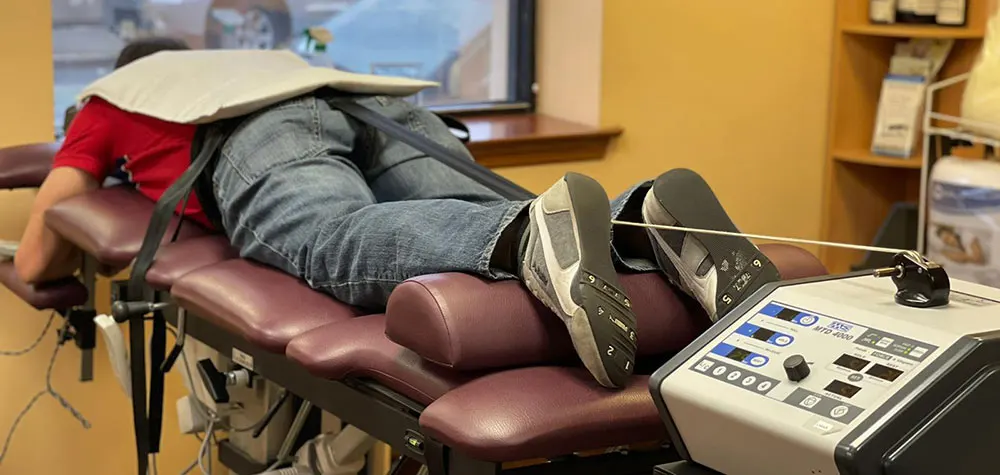
If you're considering spinal decompression therapy for back or neck discomfort, knowing how to prepare and what to do afterward can help you feel more comfortable throughout the process. Following your provider's instructions and communicating any changes in your symptoms are important parts of a safe treatment experience.
At Stinson Chiropractic Center, understanding your treatment and knowing what to expect can help you make informed decisions about your spinal health.
How to Prepare for a Spinal Decompression Session
A little preparation can help make your appointment more comfortable.
Wear comfortable clothing. Choose clothes that allow you to move easily and fit comfortably with the treatment equipment.
Eat normally. Unless your provider gives different instructions, you generally do not need to fast before a nonsurgical spinal decompression session.
Share your medical history. Tell your provider about previous spinal injuries, surgeries, current medications, and any existing medical conditions.
Discuss your symptoms. Explain where you feel discomfort and whether you experience numbness, tingling, or weakness.
Ask questions. Discuss the purpose of treatment, potential benefits, possible risks, and whether spinal decompression is appropriate for your condition.
Your provider may recommend an examination before beginning treatment to determine whether the procedure is suitable for you.
What to Do After a Spinal Decompression Session
After your appointment, pay attention to how you feel and follow any instructions provided by your healthcare professional.
Stay active within your comfort level. Gentle movement and regular daily activities may be appropriate, depending on your condition. Avoid activities that aggravate your symptoms.
Stay hydrated. Drink water as you normally would. There is no established need to drink extra water specifically because you received spinal decompression.
Monitor your symptoms. Notice any changes in pain, stiffness, tingling, or mobility. Report new or worsening symptoms to your provider.
Follow your treatment plan. Your provider may recommend additional conservative care, exercises, or follow-up visits based on your individual needs. Results vary, and spinal decompression is not effective for every condition.
When Should You Contact Your Provider?
Mild temporary discomfort may occur, but significant or worsening symptoms should not be ignored. Contact your healthcare provider if you experience increasing pain, new numbness, or changes in strength after treatment.
Seek emergency medical attention for new loss of bladder or bowel control, numbness around the groin or saddle area, or rapidly progressing weakness. These can be signs of serious nerve compression.
Make Informed Decisions About Your Spine Care
Preparing for treatment, following professional guidance, and monitoring your symptoms can help you approach spinal decompression with realistic expectations. Because nonsurgical spinal decompression is not suitable for everyone and evidence of its effectiveness remains limited, an individualized evaluation is important.
Contact Stinson Chiropractic Center to learn more about available chiropractic services and discuss whether spinal decompression may be appropriate for your back or neck concerns.