
What Can a Spinal Screening Reveal About Your Posture?
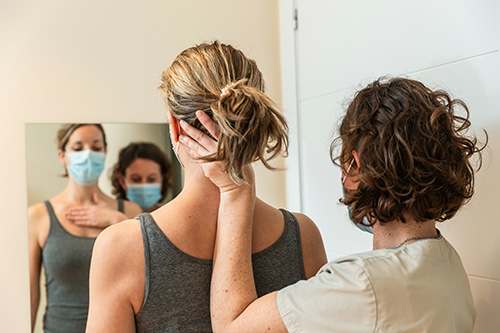
Your posture affects more than how you sit, stand, or walk. The way your head, shoulders, spine, and hips are positioned can influence everyday movement and contribute to physical discomfort. However, postural changes are not always easy to recognize on your own. A spinal screening can help identify visible alignment patterns and potential areas that may benefit from further evaluation.
At Stinson Chiropractic Center, understanding spinal health and posture is an important part of helping patients make informed decisions about their musculoskeletal care.
What is a Spinal Screening?
A spinal screening is a preliminary assessment that looks at posture, spinal positioning, and certain movement patterns. Depending on the approach used, it may involve observing how a person stands, checking shoulder and hip positioning, and evaluating the general alignment of the spine.
While a screening can highlight possible concerns, it is not a substitute for a comprehensive chiropractic examination or a medical diagnosis.
Common Postural Concerns a Spinal Screening May Identify
A spinal screening can help bring attention to several common postural patterns, including:
1. Forward Head Posture
Forward head posture occurs when the head sits noticeably in front of the shoulders rather than being aligned over the upper body. It is commonly associated with prolonged computer use, frequent smartphone use, and certain everyday habits. A screening may identify this positioning and indicate whether a more detailed assessment is appropriate.
2. Uneven Shoulders
When one shoulder appears higher than the other, it may reflect differences in posture, muscle activity, or underlying structural factors. A screening can help identify this asymmetry and determine whether additional evaluation is needed.
3. Rounded Shoulders
Rounded shoulders involve the shoulders resting farther forward than their typical neutral position. This pattern may develop from prolonged sitting, repetitive activities, or habitual positioning. Identifying it can help patients become more aware of their upper-body posture.
4. Pelvic and Hip Alignment Differences
The position of the pelvis can influence how the lower back and hips are positioned. A screening may reveal visible differences in hip height or pelvic positioning that warrant closer evaluation, particularly when accompanied by discomfort or movement limitations.
5. Changes in Spinal Curvature
The spine has natural curves that help distribute forces throughout the body. A screening may identify noticeable postural patterns involving these curves, such as an exaggerated upper-back rounding or increased lower-back arch. Further examination may be necessary to understand whether these findings are related to structural changes or habitual posture.
Why Is Identifying Postural Concerns Important?
Recognizing postural patterns can help individuals understand how everyday habits may influence their musculoskeletal health. For example, prolonged sitting, poorly arranged workstations, repetitive movements, and limited movement throughout the day can all affect how the body is positioned.
A screening may provide an opportunity to:
- Become more aware of habitual posture and positioning.
- Identify areas that may need further assessment.
- Recognize movement patterns that could contribute to discomfort.
- Discuss practical ergonomic and lifestyle adjustments.
- Determine whether additional chiropractic evaluation may be appropriate.
It is important to remember that posture naturally varies between individuals. An asymmetry or postural difference does not automatically indicate a spinal problem or require treatment.
What Happens After a Spinal Screening?
If a screening identifies a potential concern, the next step may involve a more comprehensive evaluation. A chiropractor can review your health history, discuss any symptoms, assess movement and mobility, and determine whether further testing or referral is appropriate.
Based on the findings, recommendations may include posture education, ergonomic adjustments, appropriate exercises, or individualized chiropractic care when indicated.
Take a Closer Look at Your Spinal Health with Stinson Chiropractic Center
Being aware of your posture is a useful first step toward understanding your musculoskeletal health. Whether you spend long hours at a desk, perform physically demanding activities, or simply want to learn more about your spinal alignment, a screening can offer helpful preliminary information.
Stinson Chiropractic Center encourages patients to take an informed approach to spinal health. Contact the office to learn more about spinal and postural screenings and whether a more comprehensive evaluation may be beneficial for your needs.