
Can Spinal Decompression Help Improve My Golf Swing?
How Your Spine Affects Your Golf Swing
- The golf swing relies heavily on spinal rotation, flexibility, and core stability
- Tight or compressed spinal discs can limit range of motion in the mid and lower back
- Reduced mobility may lead to swing compensation, loss of power, and inconsistent form
- Spinal compression can also contribute to stiffness after playing or practicing
- Poor spinal alignment may increase strain on shoulders, hips, and lower back during the swing
- Even small mobility restrictions can affect swing speed and follow-through
How Spinal Decompression May Help Your Game
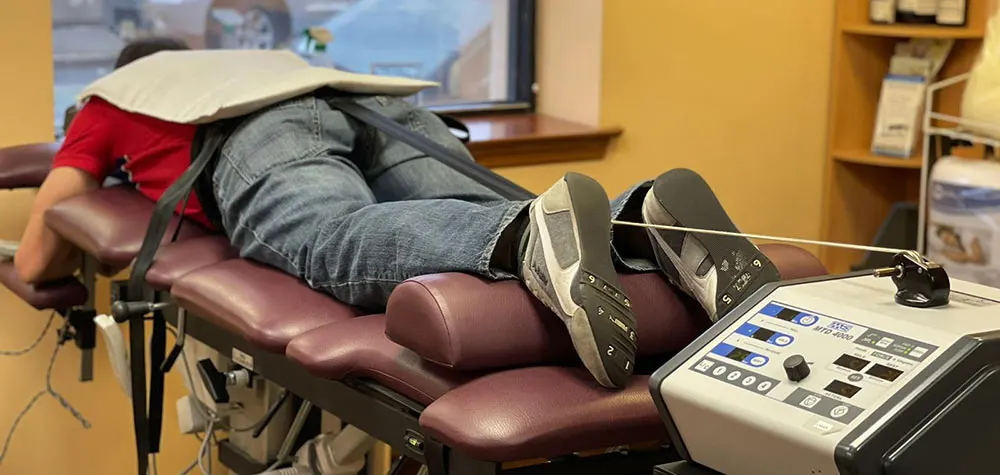
Spinal decompression therapy is designed to gently relieve pressure on the spinal discs and surrounding nerves, helping restore movement and reduce discomfort. For golfers, this can translate into improved flexibility through the spine, easier rotation during the swing, and less stiffness after long rounds or practice sessions.
When the spine moves more freely, golfers may notice better posture at address, smoother rotation through the backswing and follow-through, and improved consistency in their mechanics. While spinal decompression is not a performance “shortcut,” it can support the body’s ability to move more efficiently—especially for players dealing with stiffness, disc issues, or chronic back discomfort.
At Stinson Chiropractic Center, spinal decompression is often used alongside chiropractic care and mobility-focused treatments to help patients reduce discomfort and move more comfortably in daily activities and sports like golf.
If back stiffness or spinal pressure is limiting your swing, a professional evaluation can help determine whether decompression therapy is a good fit for your needs and performance goals.
Contact Stinson Chiropractic Center today to schedule an appointment and learn how we can help improve your mobility and comfort on and off the golf course.